Setting Up Rent AutoPay for U.S. Grad School? Don't Use a Card Without a U.S. Bank Account
I tried to set up AutoPay before I'd even moved in, and figured out it was better not to.
Contents

I’d just signed the lease on my apartment in the U.S. Move-in was still more than a month out, but I wanted to get rent AutoPay set up early. If I ever forgot a payment, I’d get hit with a late fee, so handling it ahead of time felt like one less thing to worry about. Then I hit the payment screen and stopped cold. Here’s what I figured out. If you’re like me and thinking “let me just set up AutoPay before I move in,” this should help.
AutoPay Isn’t Required
First, a common misconception. AutoPay usually isn’t required. What the lease typically requires is simpler: pay through the designated portal, by card or bank transfer, before the deadline. Whether you automate the payment or pay manually each month is your choice. Late fees and rejected-payment charges vary by lease and portal, so check them before move-in.
Without a U.S. Account, Card Fees May Apply
The catch is the payment method. U.S. rent portals usually take two:
- Bank transfer (ACH, the Automated Clearing House): depending on the portal and bank, the fee may be low or waived.
- Credit or debit card: the portal may charge a processing fee.
Before departure, you may not yet have a U.S. bank account to register for ACH. Before enabling card AutoPay, check exactly what the rent portal charges for each card payment. The fee may be zero, a flat amount, or a percentage of the payment.
Foreign-transaction and currency-conversion costs vary by Korean card and product. Ask the issuer whether recurring overseas payments are allowed. If a payment is declined, the portal or lease may impose returned-payment and late fees, so check the actual contract and payment screen instead of assuming a standard amount.
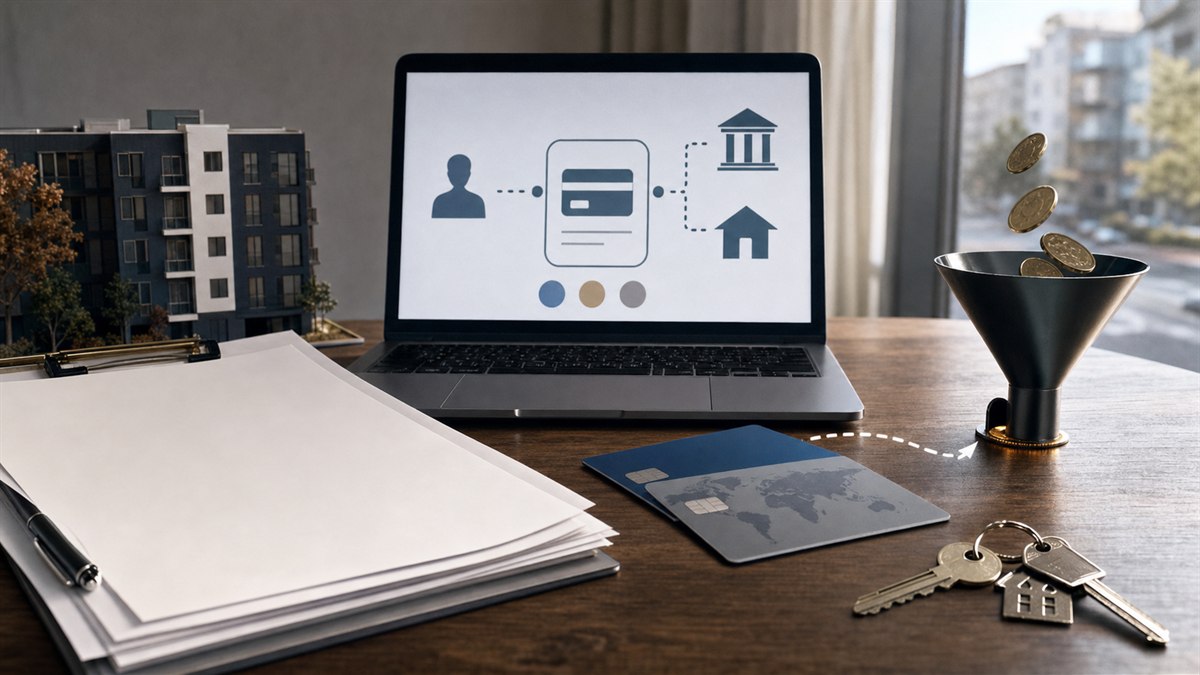
The Right Order
So here’s the clean way to handle it.
- After you arrive, check the bank or credit union’s document requirements and open an account. It may ask for a passport, I-20, and U.S. address. Whether an SSN is required depends on the institution.
- Once the account is open, register it for ACH on the rent portal. Check the displayed fee before enabling AutoPay.
- If your account isn’t open by the first rent due date, pay just that first month manually with a card, one time, then switch to ACH AutoPay once your account is set up.
The key is not enabling a full year of card AutoPay before checking the fee. ACH can also vary by portal and bank, so compare the displayed cost of both methods before choosing a recurring payment option.
One More Thing to Check
Automating isn’t always the right move. Before you set it up, ask the real question first: “how much does this cost every month?” Especially right after you arrive, when your only payment method is a stopgap, holding off on AutoPay for a while saves you money. It’s worth weighing convenience and cost together before you decide.
In the end, I finished up that day without setting up AutoPay. Instead I wrote down: “after arrival, account first, then AutoPay.” It seems like a small thing, but over a year it adds up to real money, and more than that, it’s how you avoid a missed-payment mess.