F-1 Visa and U.S. Entry: From Status Requirements to Airport Arrival
Documents to carry on board, ISSS check-in within 30 days of the I-20 program start date, government fees, and getting from the airport to Gainesville
Contents
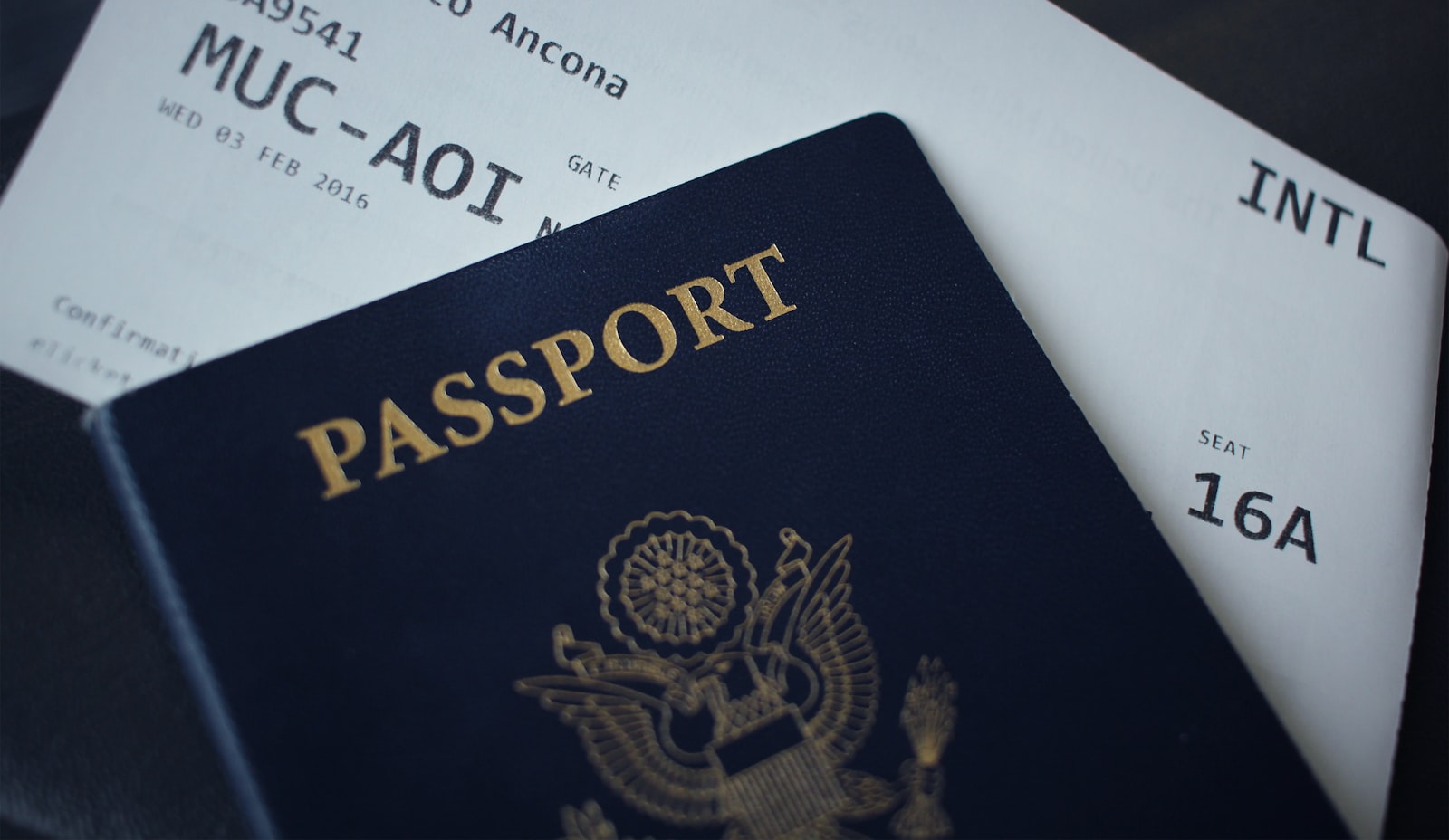
Receiving an admission offer or an F-1 visa does not complete the process. After entering the United States, students must continue to meet the conditions of F-1 status. Before departure, they also need to carry the right documents and understand the school’s check-in deadline. This post covers F-1 status requirements, inspection at the Port of Entry (POE), ISSS online check-in after arrival, government fees, and travel from the airport to Gainesville.
F-1 Status Requirements
Maintaining status isn’t a recommendation. It is a condition of lawful stay. If you break it, your SEVIS record can be terminated or you can run into status problems. Here are the points that most often matter after entry.
- Stay enrolled full-time: Graduate students must maintain full-time enrollment every semester. Online courses count toward full-time status for no more than 3 credits.
- On-campus work capped at 20 hours/week: During the semester, all on-campus jobs combined cannot exceed 20 hours per week. Your GA (assistantship) appointment operates within this limit. Full-time work is allowed during breaks.
- Never work off-campus without authorization: Off-campus employment requires prior CPT/OPT approval.
- Report any address change within 10 days: When you move, you must update your address within 10 days at ONE.UF.
- Keep your I-20 and passport valid: Your passport must remain valid. As a general rule, it should be valid for at least six months beyond your date of entry, but exemptions depend on nationality. Check current CBP and UF International Center guidance before departure.
For more detail, see UF’s International Center pages on Maintaining F-1 Status and registration requirements.
Entry (Port of Entry): Documents You Must Carry On Board
The timing matters from the very start. You can only enter the U.S. starting 30 days before your program start date. If you try to enter before the Earliest Admission Date listed on your I-20, you’ll be denied entry.
Carry the documents below on board; never put them in checked baggage.
- Passport (generally valid for at least six months beyond the date of entry; check nationality-based exemptions)
- F-1 visa
- Printed I-20, signed on page 1
- I-901 SEVIS receipt
- Proof of finances (offer letter)
- Admission letter
- UFIC and department contacts
At CBP inspection, an F-1 entrant’s authorized stay is recorded as “D/S” (Duration of Status).
A few more things to plan for:
- Cash over $10,000 must be declared. Failing to declare it can lead to seizure and fines. Deliberately splitting amounts to stay under the threshold (structuring) is also prohibited.
- Roughly $20,000 in available funds is recommended (UFIC), covering deposits, rent, registration, a vehicle, and phone setup. Since your first paycheck arrives about a month later, it’s safest to secure your first one to two months of living expenses plus initial settlement costs in cash or on a card ahead of time.
- If you only have some of your documents, CBP may issue an I-515A (30-day temporary admission); in that case, contact UFIC immediately.
After-Arrival Obligation: ISSS Online Check-In
Arriving in the U.S. isn’t the finish line. New F-1 students must complete ISSS online check-in within 30 days of the program start date on the I-20. Here’s the sequence.
- Print your I-94: 1-2 days after entry, go to i94.cbp.dhs.gov and use Get Most Recent I-94.
- Check in through the ISSS portal: Go to isss.internationalcenter.ufl.edu, upload your signed I-20, I-901 receipt, passport, F-1 visa, most recent I-94, and travel history, then submit. If you completed a DS-160 for your visa application, upload that PDF as well.
- UF advises students to save a copy of the DS-160 when applying for a visa. If you no longer have the file or were not required to complete a DS-160, UF’s check-in instructions allow you to proceed without uploading it.
- Register a U.S. address: P.O. Boxes are not accepted. If your address isn’t set yet, register your first night’s lodging address, then you must update it within 10 days of moving.
- Once your full-time enrollment and address are confirmed, a Continued Attendance I-20 is issued. Never discard any I-20; keep all of them.
Government Fees
Before you can get your visa, you’ll pay two fees and keep the receipts.
- I-901 SEVIS Fee: ice.gov/sevis/i901
- U.S. visa application fee (MRV fee): travel.state.gov
Both must be paid before the visa is issued, and the receipts are also used at the ISSS check-in above, so hold onto them.
From the Airport to Gainesville: The Entry Route
Gainesville Airport (GNV) is small with limited direct flights. Its official connecting cities include Atlanta (ATL), Charlotte (CLT), Dallas (DFW), and Miami (MIA). Coming from Incheon usually means connecting at a major city to reach GNV, or flying into a larger airport and traveling overland.
Here are the alternative airports and approximate travel times to Gainesville.
| Airport | To Gainesville |
|---|---|
| JAX (Jacksonville) | ~1.5 hours |
| MCO (Orlando) | ~2 hours |
| TPA (Tampa) | ~2.5 hours |
Your transportation options:
- UF Global Connections free pickup: for new international students, GNV airport only, with up to 4 days of temporary lodging. Sign up in advance before you leave; highly recommended.
- Groome: GNV↔ATL, $39-49
- RedCoach: GNV↔Orlando, $30-55
- Uber / Lyft
One thing to note: Global Connections pickup is offered only from Gainesville Airport (GNV). If you fly into MCO or JAX, you’ll need to arrange a separate shuttle, rental car, or Uber.
Keep the status rules in your head, carry every required document on board, and don’t miss the check-in deadline within 30 days of the I-20 program start date. Do those three things, and you’ve cleared the hardest part of the F-1 entry process.
Part of the “U.S. Grad School & Settlement Guide” series (5 parts). See all in the Career Guide; more at seunghoonchoi.com.